


Google has today announced the development of its latest Artificial Intelligence (AI) model called “Bard”. Bard is a cutting-edge language generation model that promises to revolutionize the field of AI language generation. This announcement has created a lot of excitement in the tech community and has sparked discussions about the future of AI and its impact on various industries.
It’s a really exciting time to be working on these technologies as we translate deep research and breakthroughs into products that truly help people
Pichai – CEO, Google
What is Bard and How Does it Work?
Bard is a Generative Pre-trained Transformer (GPT) model that has been trained on a massive amount of text data. It has been designed to generate high-quality, coherent and diverse texts that can be used for a variety of tasks such as writing news articles, composing poems, and even creating fiction stories. Unlike other language models, Bard has been designed to generate not just a single text, but multiple texts that cover a range of topics and styles.
The model uses deep learning algorithms and a massive amount of data to train its neural network. This training process enables Bard to learn the patterns and structures of natural language, which enables it to generate human-like text. The model’s architecture is based on the transformer network, which is a type of neural network that has been highly successful in the field of natural language processing.
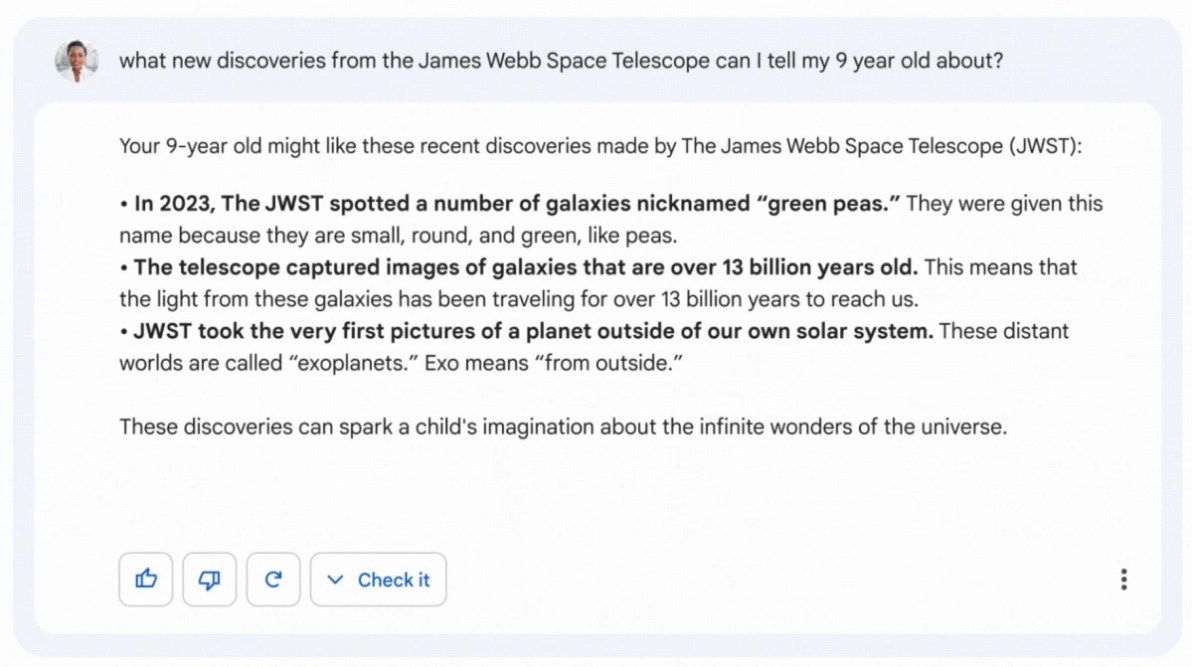
Bard’s Unique Features
One of the unique features of Bard is its ability to generate text that is both coherent and diverse. This is achieved by using a technique called “diverse decoding”. This technique allows the model to generate multiple text outputs for the same input prompt, each of which has a different style and tone. This makes Bard a highly versatile language generation model that can be used in a wide range of applications.
Another unique feature of Bard is its ability to handle complex and nuanced language. The model has been trained on a diverse range of texts, which gives it the ability to understand and generate complex language structures. This allows Bard to generate text that is not only coherent but also contextually relevant and meaningful.
Applications of Bard
The applications of Bard are vast and varied. Some of the most promising applications of the model include:
- Content Generation: Bard can be used to generate articles, blog posts, and other types of written content. This can be a valuable tool for content creators, who can use the model to quickly generate high-quality content without having to spend time writing it themselves.
- Creative Writing: Bard can be used to generate fiction stories, poetry, and other forms of creative writing. This can be a useful tool for writers who are looking for inspiration or who want to generate new ideas quickly.
- Chatbots and Customer Service: Bard can be used to power chatbots and other forms of customer service. This can be a valuable tool for businesses who want to provide their customers with fast and efficient customer service.
- Language Translation: Bard can be used to translate text from one language to another. This can be a useful tool for individuals and businesses who need to communicate with people who speak different languages.

Conclusion
Bard is a highly innovative and versatile AI model that has the potential to revolutionize the field of language generation. With its ability to generate high-quality, coherent, and diverse texts, Bard has the potential to impact a wide range of industries and applications. As AI technology continues to advance, it is likely that we will see even more exciting developments in the field of language generation in the near future.


Leave feedback about this